

LASIK Eye Surgery in Pretoria: What to Expect from Start to Finish
June 10, 2026
Am I a Candidate for Laser Eye Surgery? A Pretoria Patient’s Guide
July 15, 2026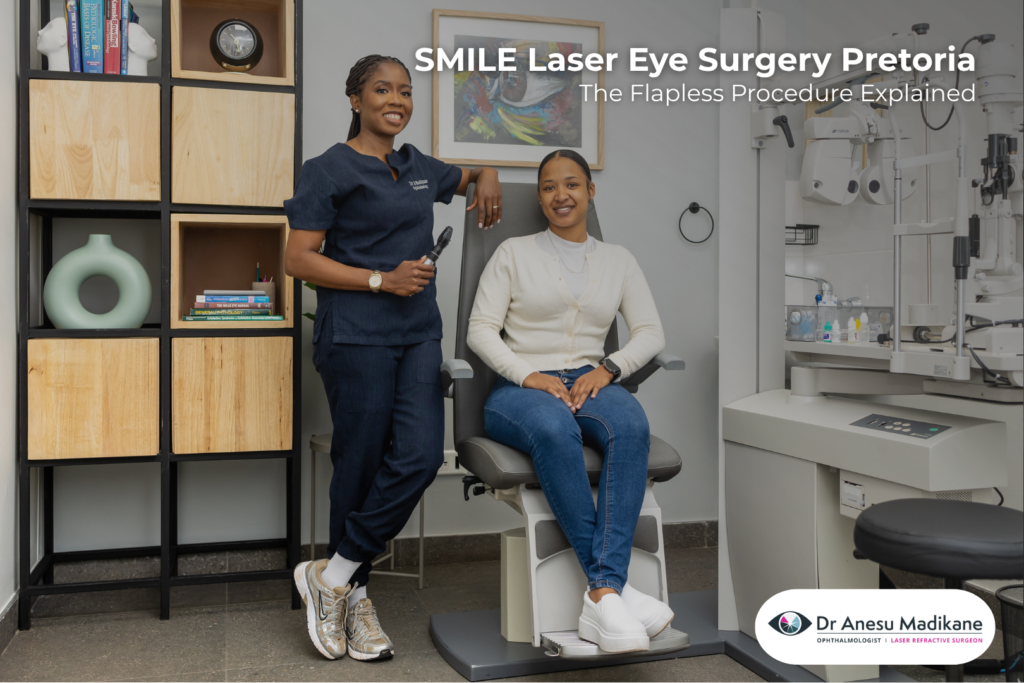
If you have been researching laser eye surgery in Pretoria, you have likely come across SMILE as one of the more modern options available. It sits alongside LASIK as one of the most effective procedures for correcting myopia and astigmatism, but the two are meaningfully different in how they work and who they suit best. For many patients, SMILE represents the next step forward in laser vision correction, and understanding what sets it apart is key to making an informed decision about your eyes.
Dr Anesu Madikane offers SMILE laser eye surgery from her practice at Linton’s Corner Retail Park in Equestria, Pretoria, and it has quickly become one of the most requested procedures at her rooms. Whether you have heard about it from a friend, seen it on social media, or come across it during your own research, this guide will give you a clear and thorough understanding of what SMILE involves, who it is suited for, and what the experience looks like from your first consultation through to full recovery.
What is SMILE Laser Eye Surgery?
SMILE stands for Small Incision Lenticule Extraction. It is a flapless laser eye surgery procedure, which is one of its most significant distinguishing features when compared to LASIK. Rather than creating a corneal flap to access and reshape the tissue underneath, SMILE works entirely within the cornea using a femtosecond laser.
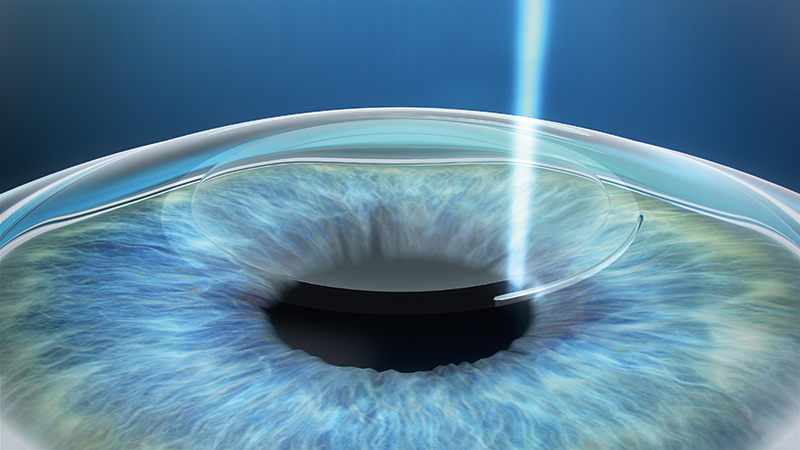
The laser creates a small, lens-shaped piece of corneal tissue called a lenticule inside the cornea. A tiny keyhole incision, typically around two to four millimetres wide, is then made on the surface of the cornea, and the lenticule is carefully removed through this opening. By removing the lenticule, the shape of the cornea changes, and light is redirected to focus correctly on the retina. The result is clearer vision without the use of a flap.
Because no flap is created, the structural integrity of the cornea is better preserved compared to LASIK. This is particularly relevant for patients who are more physically active, work in environments with a higher risk of eye contact, or who have concerns about flap-related complications.
How is SMILE Different from LASIK?
This is one of the most common questions patients ask when they come in for a consultation, and it is a great one. Both procedures correct vision by reshaping the cornea, but the method they use to get there is different.
LASIK involves creating a thin flap on the outer surface of the cornea using either a microkeratome blade or a femtosecond laser. The flap is lifted, the underlying tissue is reshaped with an excimer laser, and the flap is then replaced. SMILE, on the other hand, uses a single femtosecond laser to complete the entire procedure internally, without lifting any flap at all.
This difference matters clinically for a few reasons. Because SMILE does not create a flap, there is no risk of flap displacement post-surgery, which is a rare but known complication with LASIK. SMILE also severs fewer corneal nerves during the procedure, which can translate to a lower likelihood of post-operative dry eye symptoms compared to LASIK. For patients who already experience dry eyes or who are concerned about this side effect, SMILE can be a more appropriate choice.
That said, LASIK continues to offer an excellent safety and efficacy profile, and both procedures deliver outstanding results in appropriately selected patients. The best procedure for you is determined during your assessment with Dr Madikane.
Who is a Good Candidate for SMILE in Pretoria?
SMILE is currently approved for the correction of myopia (short-sightedness) and myopic astigmatism. It is particularly well-suited for patients with moderate to high myopia who want a flapless option, or for those who have been found to have concerns around dry eye symptoms that might make LASIK a less ideal fit.
To be considered a candidate for SMILE, you will generally need to meet the following criteria. Your prescription should fall within the treatable range for the procedure. Your corneas need to be of sufficient thickness and health, as assessed through corneal topography and other diagnostic imaging. Your prescription should also have been stable for at least 12 months prior to surgery, and you should be 18 years of age or older.
Certain conditions may make SMILE unsuitable, including active keratoconus, significant corneal scarring, or certain autoimmune conditions. This is exactly why the pre-operative assessment is so thorough. Dr Madikane’s role is not simply to confirm that you want the procedure, but to confirm that the procedure is the right and safest choice for your eyes specifically.
What Happens on the Day of Your SMILE Procedure?
Patients are often pleasantly surprised by how calm and efficient the surgical experience is. On the day of your SMILE procedure at Dr Madikane’s Pretoria practice, anaesthetic eye drops are applied to both eyes before you enter the surgical suite. These drops numb the surface of the eye completely, ensuring you feel no pain throughout the procedure.
You will be positioned beneath the femtosecond laser and asked to look at a small target light. The laser then works within the cornea to create the lenticule over a period of roughly 25 to 30 seconds per eye. You may be aware of a brief, mild pressure sensation during this step, but it passes quickly. Once the lenticule has been created, Dr Madikane carefully removes it through the small keyhole incision using a precise, minimally invasive technique.
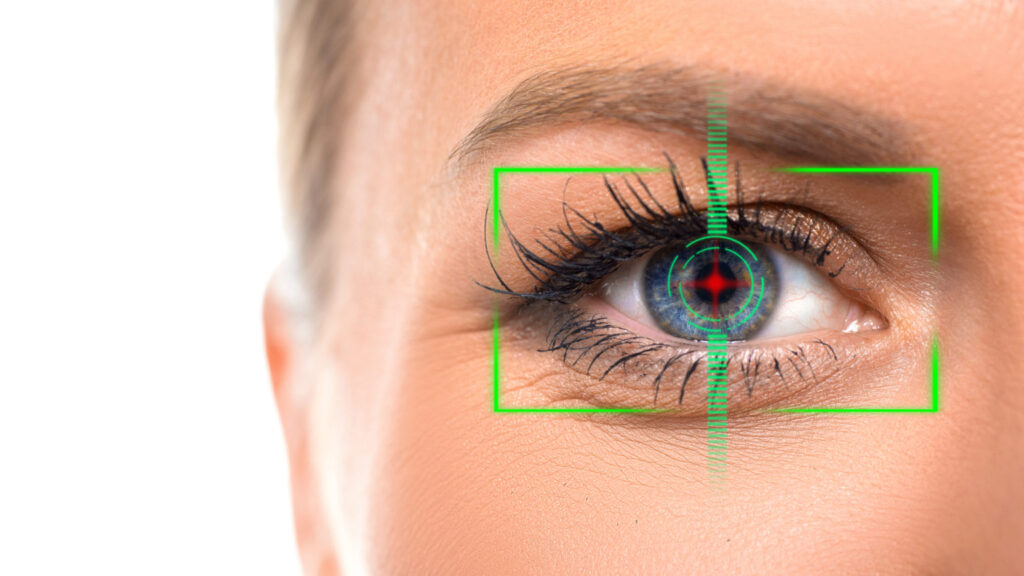
The entire procedure for both eyes typically takes around 20 to 30 minutes, including all preparation and post-operative checks in the suite. There are no blades involved, no flap to manage, and no stitches required. Most patients describe the experience as far less intimidating than they had anticipated.
SMILE Recovery: What to Expect After Surgery
One of the widely appreciated aspects of SMILE is its smooth and relatively comfortable recovery. Because the corneal surface remains largely intact and no flap has been created, many patients find that their eyes feel more comfortable in the initial days compared to their expectations.
In the first few hours after surgery, your vision will be hazy and your eyes may feel slightly sensitive to light. This is completely normal. Most patients notice a meaningful improvement in their vision within the first 24 hours, with continued improvement over the following days and weeks as the cornea settles.
You will be prescribed antibiotic eye drops and lubricating drops to use consistently during the recovery period. It is important not to rub your eyes, avoid swimming and dusty environments for the recommended period, and attend all scheduled follow-up appointments. Dr Madikane and her team will monitor your healing at regular intervals to ensure your vision is progressing as expected.
Many patients are able to return to desk-based work within one to two days of surgery, though strenuous physical activity and contact sport should be avoided for a longer period as guided by Dr Madikane.
The Future of Laser Vision Correction is Flapless
SMILE laser eye surgery represents a significant advancement in vision correction technology, offering a flapless, minimally invasive approach that suits a wide range of patients.
If you are based in Pretoria and want to explore whether SMILE is the right procedure for your eyes, the first step is a comprehensive assessment with Dr Anesu Madikane at her Equestria practice.
Book your free assessment today and find out which vision correction procedure is best suited to your eyes, your lifestyle, and your goals.
Frequently Asked Questions
Is SMILE laser eye surgery painful?
SMILE is not a painful procedure. Anaesthetic eye drops are used to numb the surface of the eyes before surgery begins, so you will not feel pain during the procedure itself. Some patients notice a mild pressure sensation when the laser is working, but this lasts only a matter of seconds. Post-operatively, mild light sensitivity and a slightly gritty sensation are common in the first few hours, both of which settle with lubricating drops and rest.
Can SMILE correct astigmatism?
Yes, SMILE can correct myopic astigmatism in addition to myopia. During your pre-operative assessment, Dr Madikane will confirm whether your specific prescription and astigmatism profile fall within the treatable range for SMILE. If they do not, she will discuss alternative procedures that would better suit your needs.
How soon can I return to sport after SMILE surgery?
Light activity such as walking can typically resume within a few days of surgery. However, swimming, contact sport, and activities that carry a risk of impact to the eye should be avoided for at least four weeks, and in some cases longer, depending on your individual healing progress. Dr Madikane will give you specific guidance based on your lifestyle and recovery at each follow-up appointment.
Is SMILE better than LASIK?
SMILE and LASIK are both excellent procedures with strong, well-established safety and efficacy records. Neither is universally better than the other. SMILE may be more appropriate for patients with certain dry eye concerns or those who want a flapless procedure, while LASIK offers its own advantages in terms of the range of prescriptions it can treat and the speed of initial visual recovery. The right choice is determined through a thorough assessment, not a general comparison.